
How Blockchain Technology is Shaping Digital Marketing The digital marketing landscape is not steady, it is constantly evolving and changing. The new technologies are redefining how businesses connect with their...
Read More


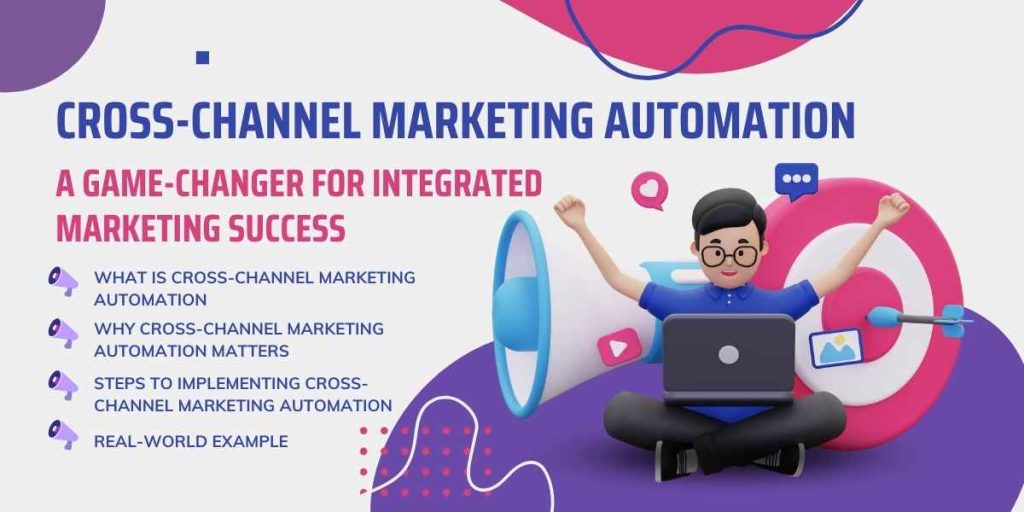
In today’s evolving digital world, businesses are discovering various ways to interact with customers and deliver personalized experiences to enhance engagement. Marketing automation has also evolved from a single-platform strategy into a detailed omnichannel approach. Cross-channel marketing automation allows brands to reach customers across various platforms seamlessly and deliver a cohesive and personalized experience that improves engagement, brand loyalty, and overall conversion rates. With the advancement in technology, consumer expectations from businesses also increased and they demand consistent, high-quality interactions. For that, integrating multiple marketing channels has become essential.
This blog will explore how cross-channel marketing automation can be a game-changer for Integrated Marketing Success, so let’s dive into it!
Cross-channel marketing automation in simple words can be defined as the use of technology to create and manage marketing campaigns that reach customers through various channels. These marketing channels used by businesses are email marketing, social media platforms, mobile apps, websites, and more. The main focus is on delivering a unified, omnichannel marketing automation experience where every interaction with the brand feels connected and purposeful. By leveraging customer data and specific behavioral insights, businesses can automate the process of delivering relevant content and offers across different channels which helps maintain user engagement throughout the customer journey.
Modern consumers are active on various platforms and interact with brands through multiple channels, often switching from one channel to another before making a purchase decision. This makes it essential for brands to have an active presence across various platforms and, more importantly, to ensure that these interactions are aligned with what users are searching for. Integrated marketing through cross-channel automation allows brands to meet customers wherever they are and provide them with a seamless experience. Cross-channel marketing also improves the chances of conversion and brand loyalty.
One of the great examples of cross-channel marketing success in India is Domino’s Pizza, which has strategically used cross-channel marketing automation to improve customer experience and drive desired sales by solving their queries. By integrating various digital platforms such as its website, mobile app, SMS, and social media channels, Domino’s has created a personalized customer journey that allows customers to engage across channels seamlessly with consistent, real-time updates.
With the advancement in artificial intelligence (AI) technology and machine learning, cross-channel marketing automation is expected to become even more impactful and highly accurate. Predictive analytics, for example, can forecast customer changing behaviors, allowing brands to preemptively tailor their messaging to deliver personalized experiences. AI-driven tools will enable even more sophisticated customer segmentation, enhancing user engagement across channels.
Nowadays, we are constantly stepping into an advanced digital and interconnected world. In this technologically advanced world, cross-channel marketing has evolved from a luxury to a necessity. For businesses seeking to deliver seamless and integrated experiences to customers, omnichannel marketing automation provides a powerful solution. By meeting customers on their preferred platforms and delivering highly personalized tailored messages at the right moments, brands can significantly enhance their marketing ROI, foster stronger customer relationships, and stay ahead in a competitive market.
With careful planning, the right tool selection, and continuous optimization, cross-channel marketing automation can transform customer purchase journeys and drive long-term success.
How Blockchain Technology is Shaping Digital Marketing The digital marketing landscape is not steady, it is constantly evolving and changing. The new technologies are redefining how businesses connect with their...
Read MoreBoosting SEO with Schema Markup: A Beginner’s Guide In the competitive business world, small and medium-sized businesses (SMBs) must manage customer relationships effectively to ensure sustainable growth and drive profits....
Read MoreWhy Gamification is the Next Big Thing in Customer Engagement In today’s digital space, grabbing customer’s attention and holding it is a challenge for businesses. Changing priorities of customers encourages...
Read More